Source Waterproof Pearlescent Eye Shadow and Eyeliner for Daily, Evening, and Professional Use
Find and compare 30 listings for Waterproof Pearlescent Eye Shadow and Eyeliner from China. Evaluate options featuring mineral and chemical ingredients, various certifications like FDA and GMPC, and OEM services for private label branding.
Key considerations
Products List


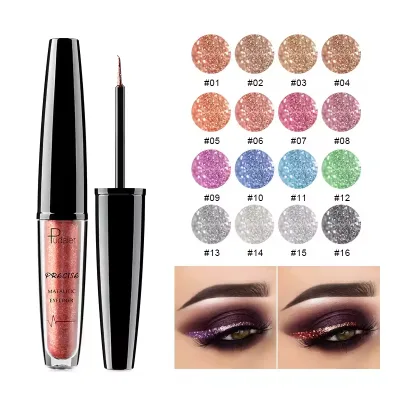
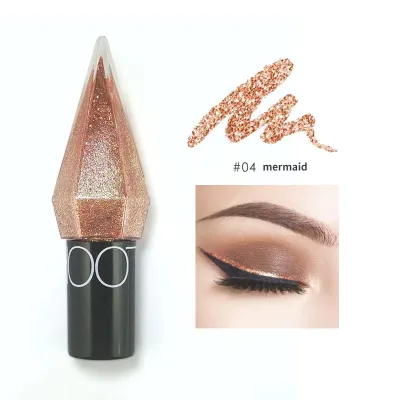
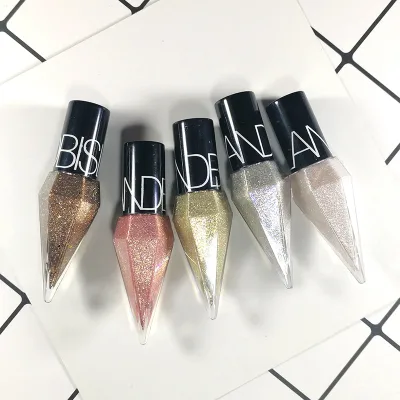


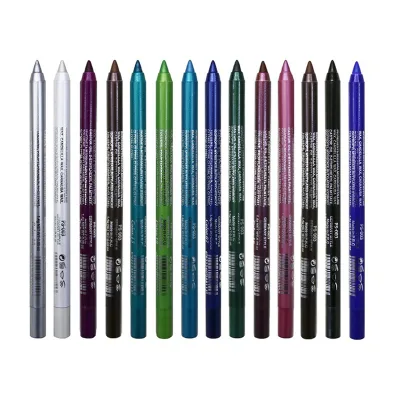
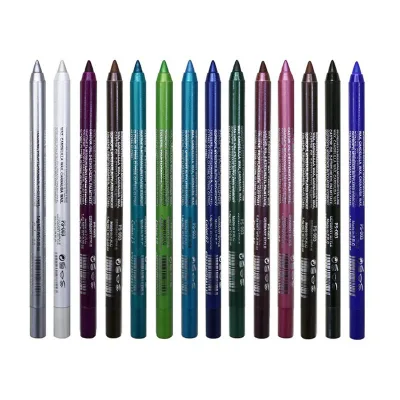
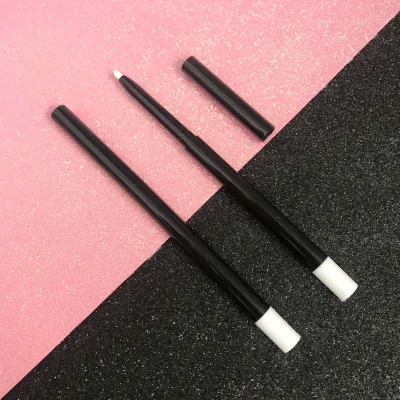

Waterproof Custom Liquid Eyeliner Makeup Cosmetics Glitter Liquid Eyeliner
$1.20 - $2.00
MOQ: 50 pieces


Comprehensive Sourcing Guide
Waterproof Pearlescent Eye Shadow and Eyeliner Sourcing Guide
Sourcing Waterproof Pearlescent Eye Shadow and Eyeliner requires a nuanced understanding of both cosmetic formulation chemistry and supply chain logistics. These products are designed to withstand moisture, oil, and friction, making them essential for professional makeup artists and consumers in humid climates. The "pearlescent" attribute indicates the inclusion of light-reflecting pigments, such as mica or synthetic fluorophlogopite, which must be evenly dispersed to avoid clumping or uneven application. Buyers must distinguish between dry powder formulations for eyeshadow and liquid or gel bases for eyeliner, as their manufacturing processes, shelf-life stability, and packaging requirements differ significantly.
The procurement landscape for these items is characterized by a high degree of customization and private labeling opportunities. Many manufacturers in key production hubs, particularly in Guangdong, China, offer OEM and ODM services that allow brands to tailor shade ranges, packaging aesthetics, and functional claims. However, this flexibility introduces complexity in quality control. A single supplier may offer both pencil-form eyeliners and liquid gel variants, but the technical specifications for waterproofing agents and pigment binding vary. Buyers need to establish clear technical requirements early in the negotiation process to ensure that the final product meets their specific performance standards for longevity and finish.
Product Scope and Observed Listing Signals
Market listings for waterproof eye makeup reveal a diverse range of product forms, from traditional pencils to modern liquid liners and dry powders. Observed data indicates that suppliers often list multiple product types under similar keywords, such as "Long-Wear Waterproof Eyeliner" and "Private Label Longlasting Lip Liner," which may appear in the same catalog. It is critical for buyers to verify the exact product type, as some listings may conflate eyeliner with lip liner due to shared formulation technologies. The presence of "Mineral" and "Chemical" as main ingredients suggests a hybrid formulation approach, where natural pigments are combined with synthetic binders to achieve the desired waterproof effect and pearlescent sheen.
Packaging and physical specifications also vary widely across suppliers, impacting both unit economics and logistics. Some products are sold without boxes to reduce costs, while others utilize specialized packaging or standard cartons for bulk shipping. Dimensions and weights observed in listings range from compact single items weighing 20g to larger bulk packages with specific gross and net weights. Buyers should note that "Special Packaging" often correlates with higher retail value propositions, whereas "Carton" packing is typical for wholesale or private label contracts. Understanding these physical attributes is essential for calculating landed costs, including freight and handling fees, which can significantly affect the final price per unit.
Technical Specifications to Verify
When evaluating technical specifications, the form factor of the product is a primary decision point. Eyeliners may be available in pencil, liquid, or gel formats, each requiring different application tools and user experiences. For instance, pencil eyeliners often feature a mechanical or wooden casing, while liquid versions require brush or felt-tip applicators. Buyers must verify the "Size Type," such as regular size, and confirm the exact dimensions of the single package, as these affect storage density and shelf appeal. Additionally, the "Model Number" provided by suppliers, such as Gp08 or QIBEST eyeliner, serves as a unique identifier for quality consistency and reordering, so maintaining a strict internal mapping of these codes is advisable.
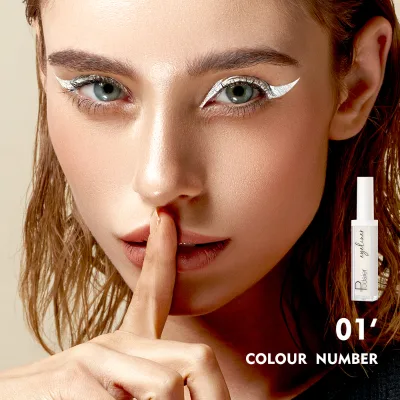
The color palette and formulation stability are equally critical for pearlescent products. Listings indicate a range of color options, from specific numbered shades (01-07) to multi-colored sets, allowing for versatile marketing strategies. However, the "pearlescent" effect relies on the uniform distribution of light-reflecting particles, which can settle in liquid formulations over time. Buyers should request samples to test the suspension stability and verify that the "Waterproof" claim holds true under realistic conditions, such as exposure to water, sweat, or oil. The "Function" attributes, such as "Eyes Makeup Beauty," should be cross-referenced with actual performance data to ensure the product delivers on its promises of long-wear and smudge resistance.
Compliance and Safety Documentation
Regulatory compliance is non-negotiable for cosmetic products entering international markets. Suppliers often list a variety of certifications, including FDA, MSDS, GMPC, ISO, and GMP, which indicate adherence to specific manufacturing and safety standards. However, the presence of these certifications on a listing does not guarantee that every batch or product variant is covered. Buyers must verify the scope of each certification, ensuring that the specific product line, such as the waterproof eyeliner or pearlescent eyeshadow, is included in the audit. Discrepancies in certification lists across different product models from the same supplier should be investigated to avoid regulatory gaps.
Safety Data Sheets (MSDS) and ingredient declarations are vital for risk management and consumer transparency. The "Ingredient" attributes often list "Chemical" components, which must be compliant with regional regulations such as the EU Cosmetics Regulation or the US FDA guidelines. Buyers should request full ingredient lists to check for restricted substances, allergens, or controversial preservatives. Additionally, the "Certification" field may include "other" or unspecified labels, which require clarification. Understanding the regulatory landscape of the target market is essential, as some regions have stricter limits on heavy metals in mineral pigments or specific waterproofing agents.
Cost Drivers and Commercial Terms
The cost structure for waterproof eye makeup is influenced by several factors, including raw material quality, packaging complexity, and order volume. Observed price ranges and MOQs (Minimum Order Quantities) vary significantly, with some suppliers accepting small orders to accommodate startups, while others require bulk commitments for cost efficiency. The "Advantage" of accepting small orders is valuable for testing market response, but it may come at a higher unit price. Buyers should analyze the total cost of ownership, including tooling fees for custom packaging, mold costs for unique applicators, and shipping expenses, rather than focusing solely on the unit price.
Commercial terms such as payment methods, lead times, and return policies also impact the procurement strategy. Suppliers offering "OEM ODM Private Label Service" typically have longer lead times due to the customization process. Buyers should negotiate clear timelines for sample approval, production, and delivery to avoid stockouts. Additionally, the "Service" attributes indicate the level of support provided, such as design assistance or regulatory consulting. Understanding these terms helps in planning inventory levels and cash flow, ensuring that the brand can meet demand without overcommitting resources to slow-moving stock.
Supplier Qualification and Quality Control
Supplier qualification involves more than just reviewing certifications; it requires a thorough assessment of manufacturing capabilities and quality control processes. Buyers should verify the "Place of Origin," as regions like Guangdong, China, have established cosmetic manufacturing ecosystems with varying levels of quality. Site audits, whether virtual or physical, can reveal the cleanliness of production facilities, the calibration of mixing equipment, and the rigor of batch testing. Suppliers with robust QC systems will provide detailed records of in-process checks, including viscosity, color consistency, and waterproof performance tests.
Quality control should also extend to post-production inspections. Buyers must define acceptable quality limits (AQL) for defects such as broken pencils, leaking liquid liners, or uneven pearlescent finishes. Requesting third-party inspection reports can provide an unbiased assessment of the product before shipment. Additionally, establishing a clear protocol for handling non-conforming products is essential. This includes defining who bears the cost of returns or replacements and how quickly issues are resolved. A proactive approach to quality control minimizes the risk of brand damage due to product failures in the market.
Long-Term Procurement Checks
Long-term procurement success depends on continuous monitoring of supplier performance and market trends. Buyers should establish key performance indicators (KPIs) for delivery accuracy, product quality, and communication responsiveness. Regular reviews of these metrics help identify potential issues before they escalate. Additionally, staying informed about regulatory changes and consumer preferences is crucial. For example, the demand for "Mineral" ingredients may shift towards more natural or sustainable sourcing, requiring suppliers to adapt their formulations. Maintaining open lines of communication with suppliers ensures that they are aligned with the brand's evolving needs.
Finally, diversifying the supplier base can mitigate risks associated with single-source dependencies. While maintaining a primary supplier for core products, buyers should qualify alternative suppliers for backup or specialized items. This strategy provides flexibility in negotiating terms and ensures continuity of supply in case of disruptions. Regularly updating the product portfolio with new shades or formulations keeps the brand competitive. By combining rigorous supplier management with strategic market analysis, buyers can build a resilient and profitable sourcing operation for Waterproof Pearlescent Eye Shadow and Eyeliner.
FAQs
What certifications do the waterproof eyeliner products hold?
The products hold multiple certifications including MSDS, FDA, GMPC, ISO, and GMP. These standards ensure safety and quality for international buyers seeking compliant cosmetics.
Can I order small quantities for testing purposes?
Yes, small orders are accepted as a key advantage for these suppliers. The minimum order quantity ranges from 3 to 12000 units depending on the specific product model selected.
What is the main ingredient used in these eye products?
The main ingredients are mineral and chemical components. This formulation supports the waterproof function required for long-wear eyeliner and eye makeup applications.
Which customization services are available for private labeling?
OEM, ODM, and private label services are available for these products. Buyers can request special packaging and specific model numbers like Gp08 or Gp11 for their brand.
Where are these cosmetic products manufactured?
The products originate from Guangdong, China. This location is a known hub for cosmetics manufacturing with established supply chains for export.
What packaging options are provided for these items?
Packaging varies from special packaging to cartons, with some items sold without boxes. Specific dimensions and weights are provided per model to assist in logistics planning.